Myopia Control Clinic
Myopia control for children in Deer Park. Your child's eyesight is changing, and the right approach can help slow it down.
What is myopia?
Myopia, or short-sightedness, is a common vision condition where distant objects appear blurred while close objects remain clear. It occurs when the eye grows too long, causing light to focus in front of the retina instead of on it.
In children, myopia often begins during primary school and can progress rapidly through the teenage years. The earlier it starts, the more it tends to increase over time. Higher levels of myopia are associated with a greater risk of eye health issues later in life, which is why early intervention matters.

Signs to watch for
Squinting at distant objects
Frequently narrowing their eyes to see things far away.
Sitting close to screens
Moving closer to the TV, tablet, or computer to see clearly.
Difficulty seeing the board
Struggling to read the whiteboard or projector at school.
Frequent headaches or eye rubbing
Complaining of headaches or rubbing their eyes after near work.
Risk factors
Family history
One or both parents with myopia increases the likelihood.
Limited outdoor time
Less time spent outdoors has been linked to faster progression.
Extended near work
Prolonged reading, screen time, or device use at close range.
Early onset
Myopia that begins before age ten tends to progress more.
Treatment options
Every child is different. We offer a range of evidence-based approaches and will recommend the best fit for your child.
Atropine Eye Drops
Low-dose atropine drops used at bedtime. A well-researched option that can be used alongside glasses or contact lenses.
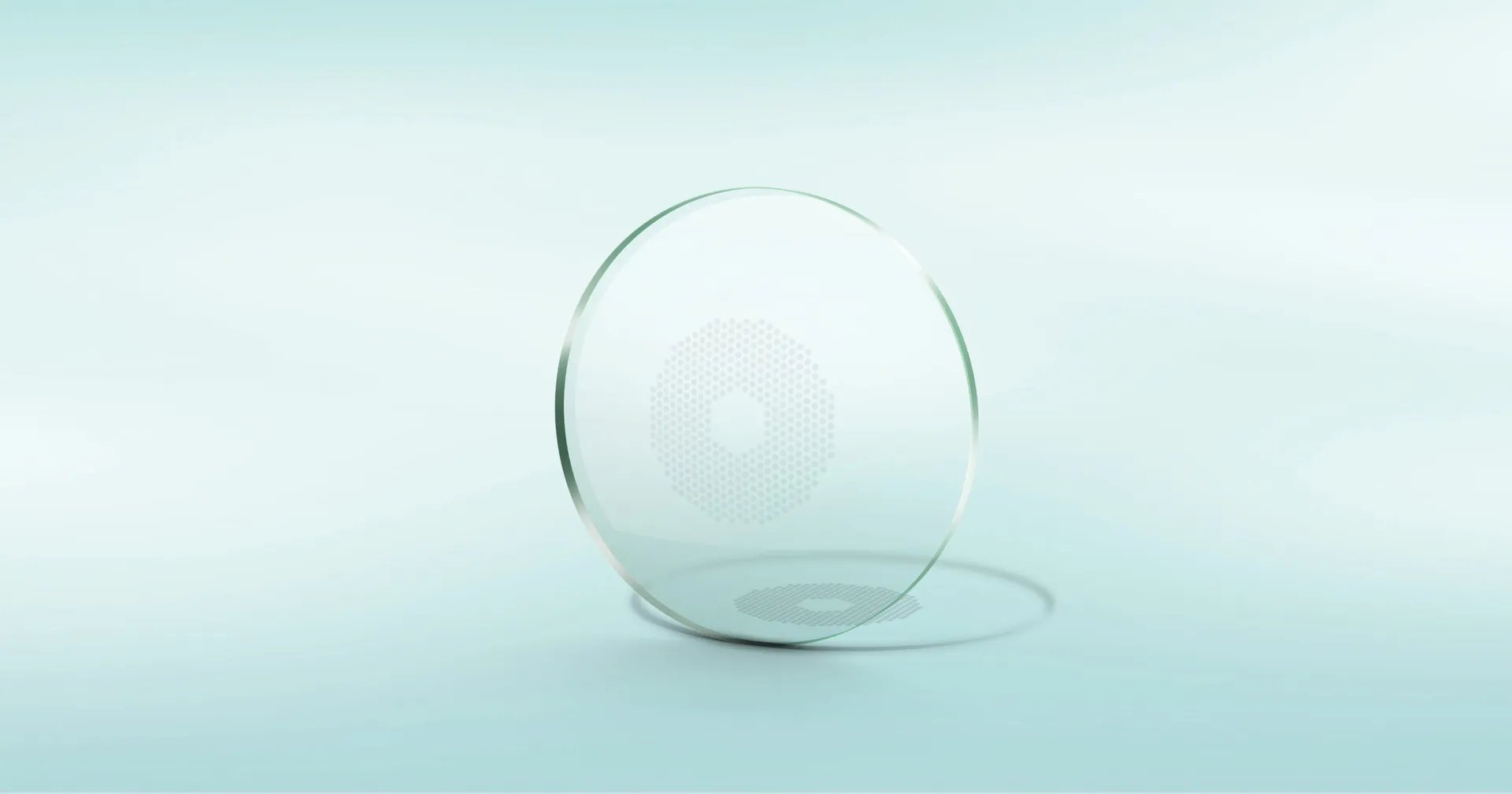
Myopia Control Spectacle Lenses (DIMs)
Specially designed spectacle lenses with defocus incorporated multiple segments. A non-invasive option that looks and feels like regular glasses.
Soft Contact Lenses for Myopia Control
Daily disposable soft contact lenses designed for myopia management in children, including MiSight and Abiliti. Comfortable, easy to handle, and a great option for children ready for contact lens wear.
Ortho-K (Orthokeratology)
Custom overnight lenses that gently reshape the cornea while your child sleeps. Clear vision during the day without glasses or contacts.
Learn moreLifestyle & Behavioural Advice
Evidence-based guidance on outdoor time, screen habits, and near work breaks to support your child's eye health alongside clinical treatments.
What to expect
Myopia Assessment
Bring your child's current glasses and any previous prescriptions. The assessment reviews their vision, eye health, family history and prescription changes.
Personalised Plan
Dr Vu discusses suitable options based on your child's age, prescription, routine and comfort with lenses or drops. You can ask about costs and the follow-up involved before deciding.
Ongoing Monitoring
Reviews are usually every six months, with earlier visits where the treatment requires them. We review vision, eye health and changes in prescription to decide whether the plan needs adjusting.
Common questions about myopia control
Costs depend on the recommended approach, including lenses or drops and the follow-up involved. Call (03) 9361 2777 before booking to ask about assessment fees, then discuss the costs of suitable options with Dr Vu at the consultation. Health fund benefits vary by policy.
Children can be assessed from as young as six. Early detection is particularly important if there is a family history of short-sightedness.
Myopia control aims to slow the rate of progression, not stop it entirely. The goal is to reduce how much the prescription increases over time.
The best approach depends on your child's age, prescription, lifestyle, and comfort with different options. Dr Vu will discuss all suitable options during the myopia assessment.
Typically every six months, though this may vary depending on the treatment and your child's individual needs.
Some treatments may be partially covered under optical or extras cover. We recommend checking with your health fund for specific details.
Written by Dr Steven Vu, BVisSc MOptom, optometrist at Westside Eyecare, Deer Park. Last updated 23 September 2026. This page is general information, not a substitute for a consultation.
Related services
Start protecting your child's vision today.
Book a myopia assessment and find out what you can do now to protect their eyesight for the future.