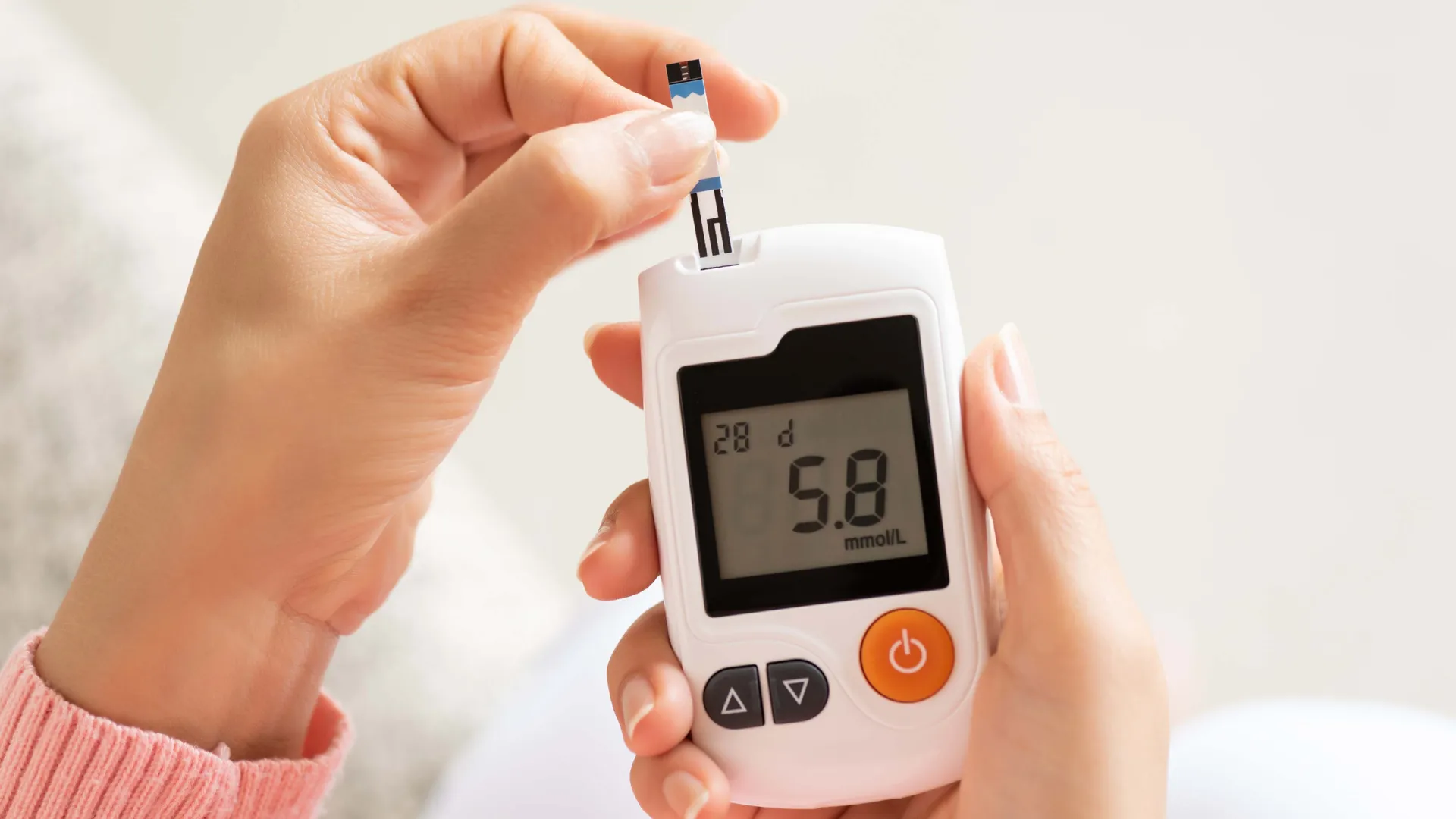
Diabetic Eye Clinic
Diabetic retinal screening in Deer Park, to detect and monitor diabetes-related changes before they affect your vision.
Why we are part of your diabetes care
If you have recently been diagnosed with diabetes, your GP or endocrinologist will likely recommend a diabetic eye assessment. This is a routine part of managing your overall health and is nothing to be concerned about.
Over time, elevated blood sugar levels can affect the small blood vessels in your retina. These changes often happen gradually and without any noticeable symptoms, which is why regular eye assessments are important even when your vision feels fine.
With consistent monitoring, any changes can be detected early and managed in coordination with your broader diabetes care team.
The importance of regular eye checks
When it comes to diabetes and your eyes, our two vital goals are early detection and prevention. Most diabetes-related eye changes develop without any symptoms in the early stages, which is exactly why routine assessments matter so much. By seeing you regularly, we can pick up changes before you would ever notice them yourself.
Between appointments, it is worth being aware of the following. If any of these come on suddenly, contact your optometrist or GP promptly:
- Blurred or fluctuating vision
- Dark spots or floaters in your field of vision
- Difficulty seeing at night
- Faded or washed-out colours
- Areas of vision loss
What a diabetic eye assessment involves
Our assessments are designed to detect retinal changes early and keep your diabetes care team informed.
Having a chat about you and your eyes
We start by learning about your diabetes history, current medications, blood sugar control, and any vision changes you have noticed. This helps us tailor the assessment to your needs.
Visual acuity and refraction
Checking your vision clarity and updating your prescription, as diabetes can cause fluctuations in your eyesight.
Dilated fundus examination
Using eye drops to widen your pupils, allowing a thorough view of the retina and its blood vessels for signs of damage or leakage.
Review and management plan
Discussing your results, coordinating with your GP or endocrinologist, and scheduling your next review based on your findings.
Frequently asked questions
A diabetic eye assessment is a detailed examination of the retina and its blood vessels to check for diabetes-related changes. It usually includes a dilated fundus examination, where drops are used to widen the pupil for a clearer view of the back of the eye.
Diabetes can affect the small blood vessels in the retina over time, sometimes without any early symptoms. Regular assessments allow changes to be detected early, when they are most manageable, and are an important part of overall diabetes care.
Diabetic retinopathy is damage to the blood vessels in the retina associated with raised blood sugar levels over time. In its early stages it often has no symptoms, which is why routine screening is recommended even when your vision feels normal.
As a general guide, people with diabetes should have a diabetic eye assessment at least once a year. Depending on what we find and your individual circumstances, we may recommend more frequent monitoring.
In most cases, yes. Dilating drops widen the pupil so the retina can be examined thoroughly. Your vision may be blurry and light-sensitive for a few hours afterwards, so it is a good idea to arrange transport and bring sunglasses.
Yes. Diabetic eye assessments are bulk billed for anyone with a valid Medicare card, so there is nothing to pay on the day. If any additional tests are clinically indicated, we will always discuss the cost with you beforehand.
Written by Dr Steven Vu, BVisSc MOptom, optometrist at Westside Eyecare, Deer Park. Last updated 16 September 2026. This page is general information, not a substitute for a consultation.
Due for your annual diabetic eye check?
We'll keep an eye on things so you can focus on everything else.